
The Hand and the Machine: Where Artisan Brands Draw the Line
Heritage craftspeople face a paradox: modern business requires technological infrastructure, yet their value comes from handmade authenticity. The question isn’t whether to use AI and automation—it’s knowing exactly where technology serves the craft and where the human hand must remain. For artisan brands, that line determines whether you scale sustainably or compromise what makes you valuable.
Share this post
A second-generation furniture maker in Western Pennsylvania crafts twenty-five custom commissions annually. Each piece begins with wood selection—black walnut from local mills, white oak air-dried for eighteen months, cherry chosen for grain pattern that will reveal itself over decades. His joinery techniques mirror his father’s: hand-cut dovetails, mortise-and-tenon joints shaped with chisels that have served three generations.
But when a prospect inquires about lead times or requests progress photos mid-commission, he doesn’t hand-write responses on workshop stationery. A client relationship system sends automated updates at key milestones, schedules consultations without email tennis, and tracks which wood species each client preferred for past pieces. The machine handles logistics. His hands remain free for craft.
This is the paradox every artisan business navigates: modern operations require technological infrastructure, yet the entire value proposition rests on handmade authenticity. Use too little technology and you drown in administrative work that steals time from craft. Use too much and you risk automating away the human judgment that discerning clients pay for.
The line between the two matters more than most heritage brands realize.
The Authenticity Tax
Artisan businesses compete on something mass production can’t replicate: the human hand, sustained expertise, generational technique, material discernment that comes from decades of practice. A client who commissions a $12,000 dining table doesn’t want efficiency—she wants the maker’s judgment on wood figure, leg taper, and finish selection that will age beautifully in her specific home.
But running a sustainable artisan business requires infrastructure that handcraft alone can’t provide. Appointment scheduling. Invoice generation. Material inventory tracking. Customer inquiry management. Tax documentation. Website maintenance. Email sequences for prospects who aren’t ready to commission yet.
If the craftsperson handles all of this manually, two things happen: craft time shrinks to unsustainable levels, and administrative errors multiply. A furniture maker spending fifteen hours weekly on invoicing, scheduling, and email triage is a furniture maker producing half as many commissions annually. The math doesn’t support the craft.
This is where technology serves rather than replaces. The question isn’t “should artisan brands use AI and automation?” It’s “where does technology free the craftsperson to do what only they can do?”
Where the Machine Serves the Hand
Certain business functions don’t require artisan judgment. They require consistency, accuracy, and speed—exactly what technology provides. For heritage brands, these operational layers represent legitimate automation territory:
Client relationship infrastructure. Scheduling tools that let prospects book consultation calls without email back-and-forth. CRM systems that track commission timelines, material preferences from past projects, and follow-up cadences. Automated payment reminders and invoice generation. None of this touches craft—it simply removes administrative friction that delays it.
Financial and compliance operations. Expense tracking, tax documentation, quarterly reports, payment processing. A jewelry maker doesn’t gain competitive advantage from manually calculating sales tax or reconciling credit card statements. The machine handles this faster and more accurately than any human, freeing time for design and fabrication.
Inquiry triage and education. Frequently asked questions don’t require bespoke responses. “Do you ship internationally?” and “What’s your lead time?” and “What payment methods do you accept?” can be automated without compromising brand voice. Technology handles the routine, so the craftsperson’s attention goes to substantive consultations: “I need a credenza for a mid-century home with radiant heat floors—which wood movement considerations should guide construction?”
Material sourcing and inventory. Automated low-stock alerts for lumber, hardware, or finishing oils. Supplier reorder systems. Inventory tracking across multiple commissions. These operational details matter immensely, but they don’t benefit from artisan intuition—they benefit from systematic accuracy.
Website maintenance and technical infrastructure. Schema markup updates, security patches, backup systems, performance optimization. The invisible architecture that keeps a site discoverable and functional operates best when automated. No craftsperson should spend Saturday mornings troubleshooting SSL certificates.
Each of these functions shares a characteristic: they’re necessary but non-differentiating. The client doesn’t choose you because your invoicing is efficient. They choose you despite needing invoices at all. Technology handles the necessary so craft can focus on the differentiating.
Where the Human Hand Must Remain
The line becomes critical when technology approaches the work that defines value. Artisan brands exist because certain decisions can’t be systematized, and clients who understand quality will pay premiums to access that human judgment.
Brand storytelling and heritage narrative. AI can generate competent copy about “handcrafted furniture” or “generational woodworking.” But it can’t capture the story of why you air-dry lumber for eighteen months instead of kiln-drying in weeks, the specific reason you chose dovetails over biscuit joints, or how your father taught you to read grain direction by feel. These narratives carry authenticity precisely because they’re your truth, not optimized content. The moment brand storytelling becomes algorithmic, discerning clients sense it.
Material philosophy and sourcing decisions. A heritage pottery studio chooses between porcelain bodies, stoneware clays, and terra cotta based on firing philosophy that reflects aesthetics and functional considerations refined over forty years. AI can provide data on shrinkage rates and cone temperatures. It can’t make the judgment call that defines whether a piece lives in the collection for the next decade.
Commission consultations and client relationships. When a client asks a bespoke leather goods maker, “What bag construction works for daily use that ages beautifully?” the answer requires understanding lifestyle, aesthetic preferences, care commitment, and how the client values patina development versus pristine appearance. This is exactly the kind of nuanced, context-heavy consultation that artisan businesses charge for. Handing it to AI would be handing away the core product.
Design decisions and craft technique. Should this table edge be eased at one-eighth inch or left crisp? Should the drawer joinery be half-blind dovetails or through-dovetails that become a design feature? Does this client’s aesthetic lean toward oil finish that deepens with age or conversion varnish for durability? These micro-decisions—made hundreds of times per commission—represent accumulated mastery. They’re not in any AI training data because they live in the craftsperson’s hands.
Visual direction for brand photography. Editorial photography for a farm-to-table restaurant requires curatorial judgment: Which plating detail reveals your philosophy—the heirloom tomato variety, the hand-forged flatware, the relationship with the farmer who grew the ingredients? AI can generate food images. It can’t decide which images communicate your sourcing integrity.
The pattern is clear: technology serves logistics, but craft remains human. The more a decision touches brand integrity, material philosophy, or client relationship, the more essential the human hand becomes.
Drawing Your Own Line
Every artisan business must define this boundary for themselves. The test is simple: Does this decision touch what makes us valuable, or does it support the operations that allow valuable work to happen?
For the furniture maker:
Automated appointment scheduling? Operational support.
AI-generated lumber inventory tracking? Operational support.
ChatGPT writing his brand story about why he air-dries wood for eighteen months? Crosses the line. That story is the product.
For the jewelry house:
Inventory tracking and reorder alerts? Operational support.
Customer inquiry triage for shipping questions? Operational support.
AI suggesting which gemstones to feature in next season’s collection? Crosses the line. Material curation is the expertise clients pay for.
For the boutique hotel:
Revenue management and pricing optimization? Operational support.
Automated guest pre-arrival communication? Operational support.
Algorithm-selected art for guest rooms? Crosses the line. Curatorial taste defines the experience.
The line isn’t universal—it’s specific to what your brand promises. But once defined, it becomes an operational principle: technology serves everything behind the line so craft can focus entirely on what’s in front of it.
Form Serves Function, Function Serves Craft
The craftsperson’s role isn’t to resist technology. It’s to deploy it with the same intentionality applied to material selection and technique refinement. Every tool—whether a hand plane or a CRM system—should serve a defined purpose without compromising the work’s integrity.
Technology that removes administrative burden while preserving craft judgment isn’t a compromise. It’s infrastructure that makes artisan businesses sustainable at the scale required to support generational continuity. The furniture maker’s father could afford to hand-write every invoice because overhead was different. Today’s artisan can’t—and doesn’t need to.
What matters is knowing where the machine stops and the hand begins. That line protects what makes heritage brands valuable: human judgment refined through decades of practice, applied to materials and techniques that algorithms will never master.
The hand and the machine aren’t opponents. When deployed with intention, the machine makes space for the hand to do what only it can: create work that lasts decades, carries stories algorithms can’t generate, and serves clients who know the difference.

The Quiet Luxury Dispatch
Reflections on craft, heritage, and digital stewardship.
Further Reading

The Editorial Eye: Why Artisan Brands Need Photography as Refined as Their Craft
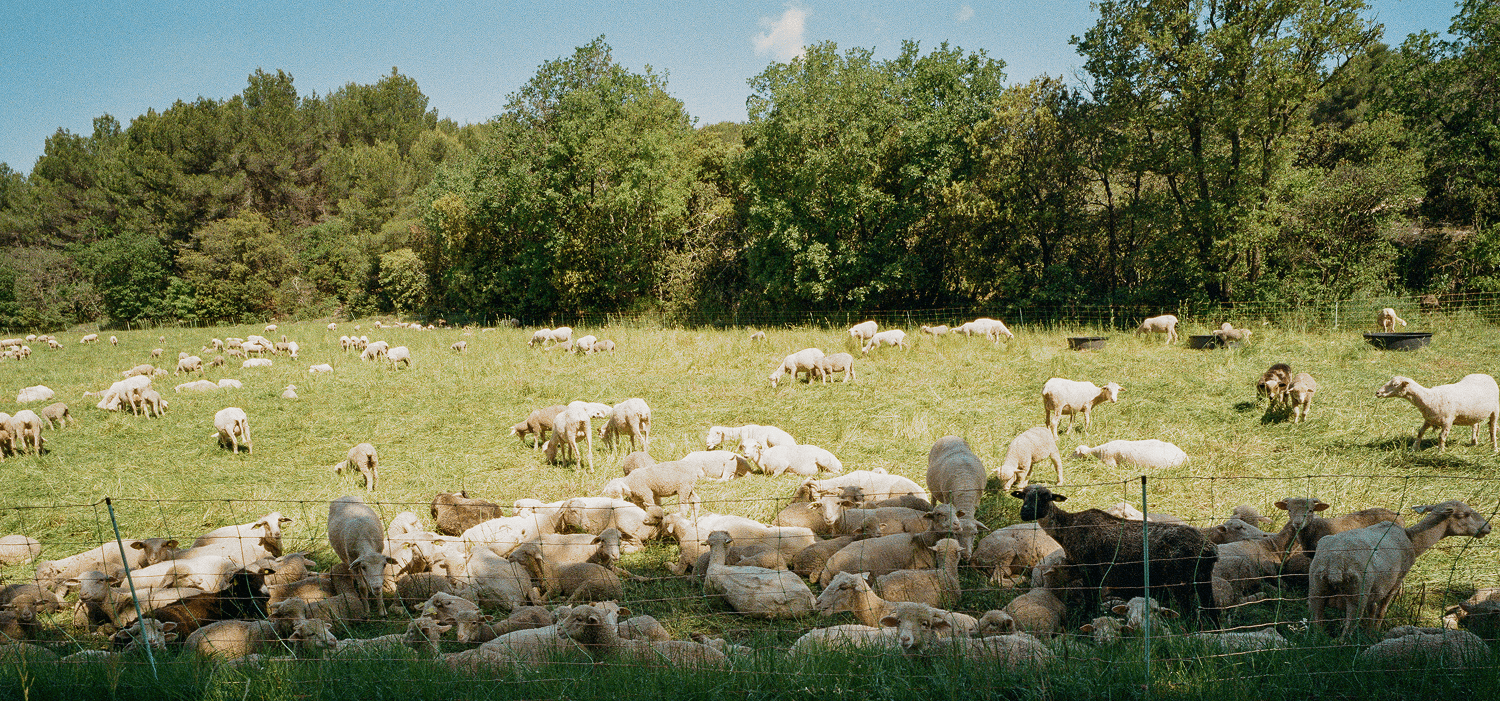
A furniture maker spends eighty hours on a commission, then photographs it with an iPhone against his garage door. A jewelry house sources conflict-free stones for six months, then shoots finished pieces on white seamless with harsh overhead light. The disconnect between craft quality and visual documentation undermines everything artisan brands claim to value. If your work deserves decades of use, it deserves images that honor what you’ve made.
Why Artisan Brands Undercharge (And How to Stop)
Most heritage craftspeople price their work based on hours and materials, then add a modest margin. But discerning clients don’t buy hours—they buy decades of accumulated mastery, material philosophy, and the cultural value of owning something made to last generations. When artisan brands undercharge, they’re not being humble. They’re misunderstanding what they sell.
The Invisible Foundation: Why Artisan Brands Need Architecture, Not Algorithms
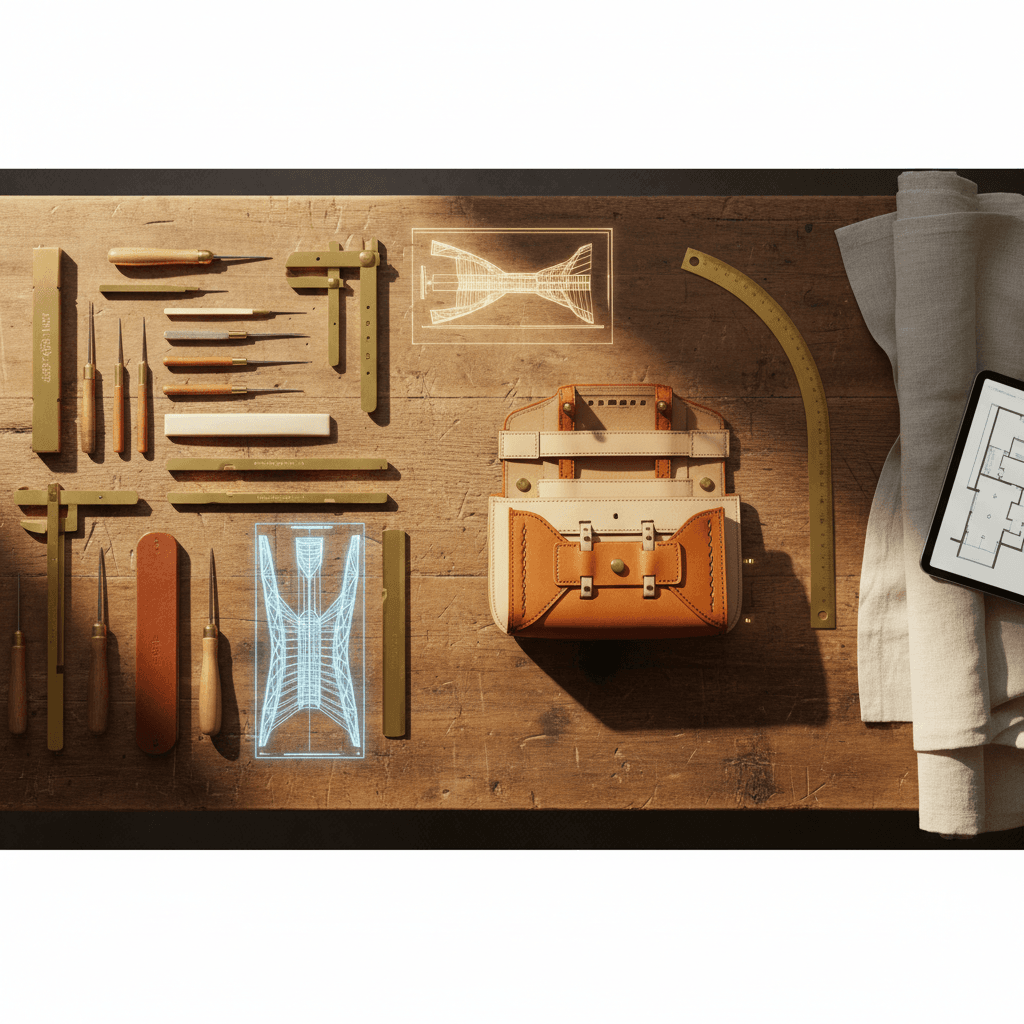
When someone searches for artisan craftsmen or heritage brands, AI engines like ChatGPT and Perplexity decide what to recommend based on invisible technical architecture, not craft quality alone. Most artisan websites lack the structured data that tells these algorithms what the human eye already knows: this is mastery worth citing. For brands whose work deserves to be found by discerning clients, digital infrastructure must be as meticulous as the craft itself.