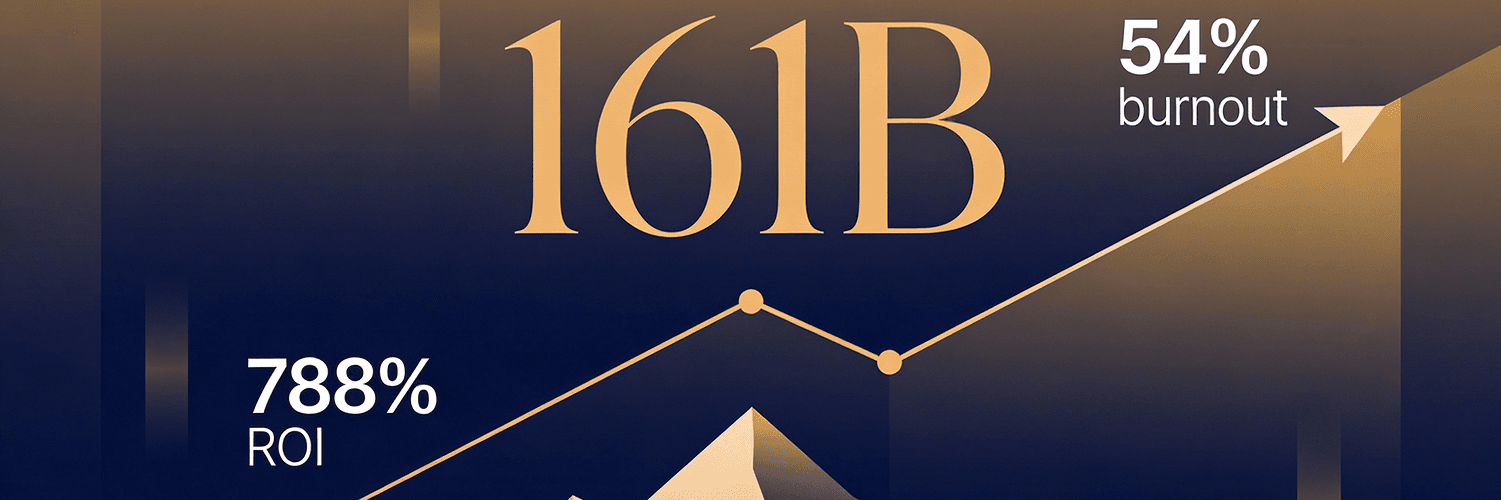
The $161 Billion Question: Why High-Performers Are Finally Asking for Help
The executive coaching industry is projected to reach $161.10 billion by 2030, growing at nearly 10% annually . That’s not a bubble, it’s a signal. The world’s highest performers are increasingly investing in structured support, and the data reveals why this shift matters more than ever.
Share this post
The Hidden Tax on Leadership
Recent research paints a sobering picture of founder mental health. In a 2025 survey of over 138 founders, 54% reported experiencing burnout in the past year, while 46% described their mental health as “bad” or “very bad”. Three-quarters reported anxiety, and 67% are working over 50 hours weekly.
This isn’t just about feeling tired. When 72% of founders reduce social connections and 61% skip holidays to maintain their pace, we’re witnessing a systemic issue. The traditional badge of honor, “I’ll sleep when I’m dead”, is being replaced by a more pragmatic question: “How do I sustain this without breaking?”
The ROI of Getting Help
The financial case for executive coaching is remarkably clear. A MetrixGlobal study documented a 788% return on investment, meaning organizations gained over seven dollars for every dollar invested. The International Coaching Federation found that 87% of businesses perceive strong financial returns from coaching, with an average ROI of 5.7 times the investment.
These returns stem from tangible outcomes: increased productivity, better decision-making, reduced leadership turnover (often 15% or more), and enhanced team engagement. One technology firm invested $100,000 in leadership coaching and saw $350,000 in saved recruitment costs plus $500,000 in new revenue within a year .
The Performance Advantage
What separates coaching from therapy or casual mentorship is its focus on performance optimization. Research shows coached leaders improve employee engagement by 32%, which directly correlates with productivity and customer satisfaction. They navigate complexity with greater resilience and make faster, more innovative decisions under pressure.
The cultural shift is evident in adoption rates: one-third of Fortune 500 companies now actively utilize executive coaching. With the number of active coaches projected to have reached 167,300 by the end of 2025, more than double the 2019 figure, the market is responding to genuine demand.
Reframing the Conversation
The stigma around seeking support is eroding because elite performers recognize a fundamental truth: sustainable excellence requires systems, not just grit. The same founders who hire CFOs to optimize finances and CTOs to architect technology are now partnering with coaches to optimize their most valuable asset—their own capacity to lead.
The $161 billion question isn’t whether high-performers need help. The data answers that clearly. The real question is whether leaders will adopt support structures before burnout forces the issue, or after.

Want more like this?
Get weekly insights on coach infrastructure.
More articles you may like

The Citation Test: Is Your Website AI-Readable?
When someone asks ChatGPT or Perplexity to recommend an executive coach, does your website get cited or skipped? In 2025, AI engines have become the new gatekeepers of professional discovery, and most coaching websites are structurally invisible to them.

The jagged frontier: Using AI without losing your edge
AI is already mainstream in business, but most organizations are still stuck in pilots, and that gap is where high-performers can separate. The real advantage isn’t “using AI”; it’s building an operating system where AI speeds up the right work, while judgment stays human.
The 35,000-Decision Day: Why Great Leaders Make Fewer Choices
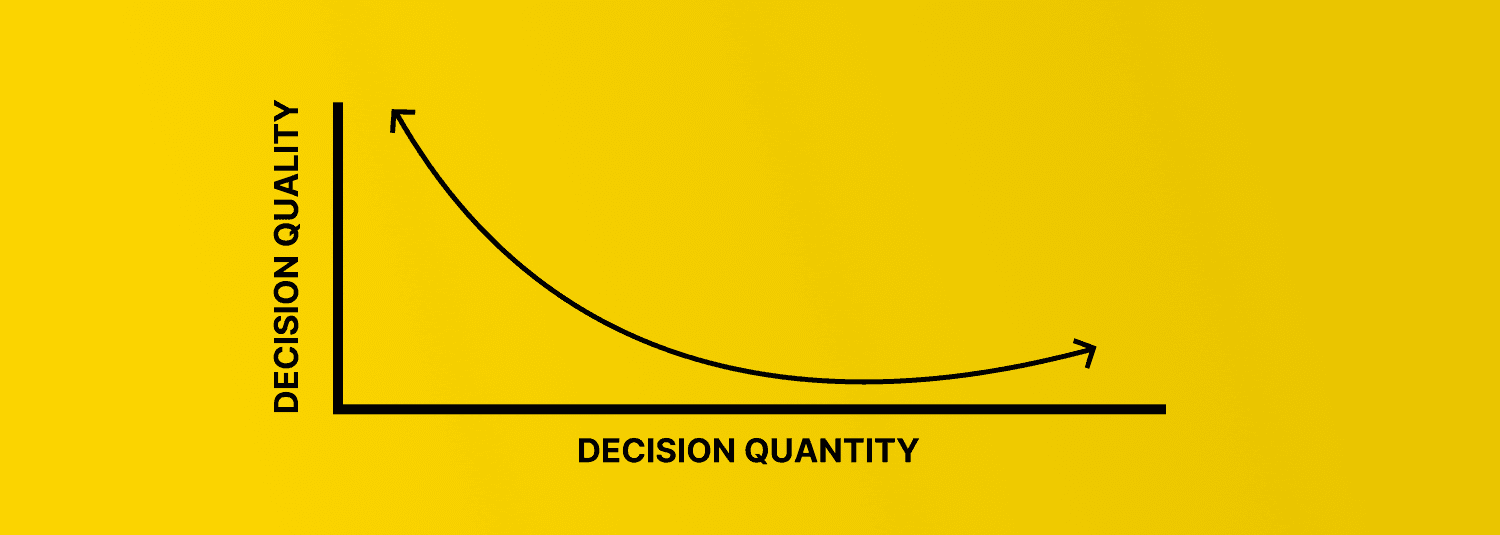
The average person makes 35,000 decisions each day. For leaders, that number climbs significantly higher, CEOs face roughly 50 high-stakes decisions daily. But here’s what the research reveals: the best leaders aren’t making more decisions. They’re strategically making fewer.